
That first step out of bed in the morning. The sharp, stabbing pain in the heel that makes you suck in a breath and think twice about walking. Or maybe it hits later, when you stand up after sitting for a while at your desk. The pain eases once you’re moving, then comes roaring back the next morning. That’s the daily reality for the millions of Americans living with plantar fasciitis.
Plantar fasciitis is one of the most common causes of heel pain, and it’s also one of the most stubborn. Stretching helps a little. Better shoes help a little. Rest helps until you go back to your normal life. But the pain often hangs around for months, sometimes years, when treated only at the surface.
Massage therapy works on plantar fasciitis at a deeper level. It addresses the tissue tension, calf tightness, and movement patterns that keep the condition stuck. In Lancaster, PA, more clients are turning to bodywork as a key part of recovery, often after exhausting other options. This guide explains why the pain happens, how massage helps, what techniques work, and what to expect from a session.
What Is Plantar Fasciitis?
The plantar fascia is a thick, fibrous band of tissue that runs along the bottom of your foot. It connects your heel bone to the base of your toes and acts like a spring, supporting the arch of your foot every time you take a step.
Plantar fasciitis happens when this band gets inflamed, irritated, or develops small tears, usually from repetitive strain. The condition affects an estimated 2 million people in the U.S. each year, and roughly one in ten Americans will deal with it at some point in their lives.
It’s most common in adults between the ages of 40 and 60, though runners, dancers, and people who stand for long hours can develop it at any age. Women get it more often than men, and people with high arches or flat feet are at higher risk.
Common Symptoms of Plantar Fasciitis
Plantar fasciitis has a recognizable pattern. The hallmark is sharp, stabbing pain in the bottom of the heel that’s worst with the first steps in the morning or after sitting for a while.
Common symptoms include:
- Sharp heel pain on the first steps of the day
- Pain that eases as you walk but returns after rest
- Tenderness when pressing on the bottom of the heel
- Stiffness in the foot, especially after prolonged sitting
- A pulling sensation along the arch of the foot
- Swelling at the heel
- Pain that worsens after exercise, not during
The pain usually shows up in one foot, though it can affect both. It can also linger for months without proper treatment.
What Causes Plantar Fasciitis?
The condition develops from repeated stress on the plantar fascia. A few common drivers:
- Tight calves. When the calf muscles are short and stiff, they pull on the Achilles tendon, which pulls on the heel, which strains the plantar fascia.
- Sudden increases in activity. Starting a new running program, picking up a hiking habit, or standing for long shifts can trigger it.
- Poor footwear. Worn-out shoes, flat sandals, or shoes without arch support load the fascia heavily.
- Foot mechanics. High arches, flat feet, or tight ankles change how forces travel through the foot.
- Excess weight. Extra body weight increases the load on the fascia with every step.
- Long hours on hard surfaces. Nurses, retail workers, restaurant staff, and warehouse workers often develop it from prolonged standing.
- Tight hip flexors and weak glutes. When the hips don’t move well, the foot picks up the slack.
The fascia itself is rarely the only culprit. It’s usually the end of a chain that starts higher up the body.
Why Massage Therapy Works for Plantar Fasciitis
Massage attacks plantar fasciitis from several angles, which is why it works when surface-level treatments fall short.
Breaks Up Scar Tissue and Adhesions
Repeated micro-tears in the fascia heal with scar tissue that’s stiffer and less flexible than the original. Targeted bodywork breaks up these adhesions and allows the fascia to glide and stretch the way it should.
Releases the Calf Muscles
Tight calves are one of the biggest hidden drivers of heel pain. When the gastrocnemius and soleus release, the pull on the Achilles eases, and the plantar fascia stops getting yanked with every step. This alone can reduce symptoms significantly.
Improves Circulation to the Foot
Inflamed tissue heals slowly when blood flow is poor. Massage forces fresh circulation into the foot and lower leg, which speeds healing and clears out inflammatory byproducts.
Reduces Inflammation
Manual lymphatic work and gentle compression around the heel and arch reduce swelling and inflammation in the fascia, easing the sharp pain that makes morning steps so painful.
Restores Foot Mobility
The small bones, joints, and muscles of the foot all need to move freely for the fascia to do its job. Massage restores motion in the toes, midfoot, and ankle, which redistributes load away from the painful heel.
Key Areas Targeted in a Plantar Fasciitis Session
A skilled session works the whole chain, not just the foot.
The Plantar Fascia Itself
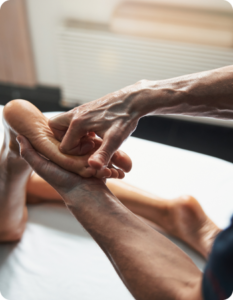
Direct work along the bottom of the foot, from heel to ball, with cross-fiber friction to address adhesions and trigger points. This work can be intense but produces real results.
Calf Muscles (Gastrocnemius and Soleus)
Long, deep work along the back of the lower leg releases the calf muscles that pull on the heel. Many clients are shocked at how tight their calves are.
Achilles Tendon
The Achilles connects the calf to the heel and often holds tension that contributes to plantar fascia strain. Gentle stripping along the tendon helps it move freely again.
Hip Flexors and Glutes
Tight hips and weak glutes change how force travels through the leg. Sessions that include hip work address one of the upstream causes most clinics ignore.
Lower Back
Lower back tension affects gait, posture, and how the foot strikes the ground. Releasing the lower back often reduces foot strain in ways that surprise clients.
What a Plantar Fasciitis Massage Session Looks Like
A typical session runs 60 or 90 minutes. The therapist starts with an intake covering when the pain started, what makes it better or worse, footwear, activity level, and any related injuries. From there, the work moves up the chain.
Expect:
- Warm-up work on the calves and lower legs
- Deep tissue and trigger point pressure on the calf muscles
- Direct fascia work on the bottom of the foot
- Joint mobilization for the toes, midfoot, and ankle
- Hip and glute release if needed
- Lower back work if posture or gait is part of the picture
- Stretching and movement cues to take home
Some clients feel sharp relief after the first session. Others need three or four sessions before the pain pattern starts to shift. The deeper the issue, the longer the timeline.
Techniques That Work Best
Different bodywork styles bring different strengths to plantar fasciitis recovery.
Deep Tissue Massage
Deep, slow pressure releases the calf muscles and fascia in ways lighter work can’t reach. For more on this style, see the best deep tissue massage techniques.
Trigger Point Therapy
Specific points in the calf, foot, and even the glutes can refer pain into the heel. Releasing these points often produces immediate relief. The trigger point versus deep tissue guide breaks down when each style fits.
Myofascial Release
The plantar fascia is, as the name suggests, fascia. Myofascial work, applied with sustained pressure and slow stretching, addresses the tissue directly. The myofascial release for athletic performance guide covers this style in more depth.
Cross-Fiber Friction
Slow, perpendicular strokes across the fascia and calf muscles break up adhesions and stimulate healing. It can feel intense in the moment but produces strong results over a few sessions.
Foot Reflexology
While not a primary plantar fasciitis treatment, reflexology adds gentle pressure work that improves circulation and eases tension throughout the foot. Reflexology and how it helps the body explains how it fits into a wider recovery plan.
At-Home Care to Pair with Sessions
The best results come from combining massage with daily habits that support recovery:
- Roll the bottom of your foot over a frozen water bottle for 5 to 10 minutes after long days
- Stretch the calves daily, holding each side for at least 30 seconds
- Wear supportive shoes throughout the day, even at home
- Avoid going barefoot on hard floors during a flare
- Use a tennis ball or lacrosse ball to self-massage the bottom of the foot
- Strengthen the foot muscles with toe scrunches and arch lifts
- Replace running shoes every 300 to 500 miles
These home practices keep your sessions building on themselves rather than starting over each visit.
How Long Until You Feel Relief?
Most clients notice some improvement within the first one to three sessions, especially in morning pain and overall foot stiffness. Full recovery usually takes four to eight weeks of regular work, depending on how long the condition has been around.
Cases that have lingered for over a year often take longer. The fascia heals slowly, and old patterns take time to shift. Clients who stick with the work, do their home care, and address footwear and activity habits usually see lasting relief.
For more on how acute and chronic conditions respond differently to bodywork, see chronic pain versus acute pain and when massage helps most.
When to See a Specialist
Massage works well for most plantar fasciitis cases, but some situations call for additional care:
- Pain that doesn’t improve after eight to ten weeks of consistent treatment
- Sudden, severe heel pain following an injury (rule out a stress fracture)
- Numbness or tingling in the foot (rule out nerve involvement)
- Pain that wakes you up at night
- Visible swelling, redness, or warmth that doesn’t ease
A podiatrist or sports medicine doctor can evaluate for stress fractures, nerve entrapments, or structural issues that may need imaging or different treatment. Massage works best alongside these specialists, not instead of them.
How Often Should You Book?
For active plantar fasciitis, weekly sessions for the first three to six weeks usually produce the fastest progress. Once symptoms ease, most clients shift to bi-weekly or monthly sessions for maintenance.
Athletes, people who stand all day, or those with a history of foot issues often benefit from monthly sessions long-term to keep the calves loose and the fascia healthy. For more on sports-related care, see how massage therapy supports recovery after sports injuries.
For general guidance on building a sustainable schedule, see how often you should get a massage.
Booking Plantar Fasciitis Massage in Lancaster, PA
Heel pain that lingers for months is more than an annoyance. It changes how you walk, how much you exercise, and how you spend your days. The good news is that plantar fasciitis responds well to skilled, consistent bodywork, especially when paired with smart home care and the right footwear.
If you’ve been managing heel pain on your own and the relief never seems to last, professional massage is worth a serious try. The right techniques, applied to the right spots, can shift symptoms that have been stuck for far too long.
To browse session options and find a service that fits your foot pain, see the full list of massage services in Lancaster.
Ready to feel better? Learn more about our medical massage in Lancaster, PA, or book your appointment online. You can also call or text (717) 725-9670.