
Lymphatic Drainage Massage in Lancaster, PA: Benefits, Process & Who Needs It

We offer quality massage services to fit the needs of all of our clients.

The lymphatic system runs quietly in the background of your body, doing some of the heaviest work no one ever talks about. It clears waste, fights infection, and keeps fluid moving where it needs to go. When it slows down, you feel it as puffiness, sluggishness, stubborn swelling, or even brain fog that won’t lift no matter how much sleep you get.

Lymphatic drainage massage is built specifically to wake that system back up. It’s a slow, gentle, rhythmic form of bodywork that works very differently from a regular relaxation or deep tissue session. In Lancaster, PA, more people are booking it after surgery, during recovery from illness, and as part of regular wellness care.

This guide walks through what the technique is, how it works, who benefits the most, and what to expect during and after a session.

What Is Lymphatic Drainage Massage?

Lymphatic drainage massage is a light-pressure technique created to move lymph fluid through the body’s lymphatic vessels and toward the lymph nodes, where waste and toxins get filtered out. It was developed in the 1930s by Danish therapists Emil and Estrid Vodder and has since become a staple in medical massage settings around the world.

Unlike Swedish or deep tissue work, this form of bodywork uses very light, repetitive strokes. Most clients describe the pressure as feeling like a slow brushing motion across the skin. The therapist follows the natural flow of lymphatic vessels, which sit just under the surface of the skin, and works in a specific direction toward the nearest cluster of lymph nodes.

It looks subtle from the outside. The effect, though, is anything but. People often leave a session feeling lighter, less puffy, and oddly clear-headed.

How the Lymphatic System Works (and Why It Stalls)

The lymphatic system is a network of vessels, nodes, and organs that runs alongside your circulatory system. While your heart pumps blood automatically, the lymphatic system has no central pump. It relies on muscle movement, breathing, and skin contact to keep fluid flowing.

When the system slows or backs up, fluid pools in tissues. That shows up as:

  • Visible swelling in legs, ankles, hands, or face
  • A heavy, tight feeling in the limbs
  • Frequent colds or slow recovery from illness
  • Skin breakouts and dull skin tone
  • Unexplained fatigue
  • Stiffness that doesn’t respond to stretching

Sedentary lifestyles, surgery, illness, hormonal shifts, and even tight clothing can all slow lymph flow. Lymphatic drainage massage gives the system a hands-on push to start moving again.

Benefits of Lymphatic Drainage Massage

This style of bodywork delivers results you can usually feel within one or two sessions.

Reduces Swelling and Fluid Retention

The most immediate effect is a drop in swelling. People who deal with fluid retention in the legs after long flights, long workdays, or pregnancy often see visible reduction within a single session. Therapists working in Lancaster see strong demand from clients who have just had cosmetic procedures, joint surgeries, or dental work where post-procedure swelling is a known side effect.

Supports Immune Function

Lymph nodes are where your immune cells live and do their work. When fluid stagnates, immune response slows down too. Regular drainage sessions encourage faster circulation of immune cells, which can mean fewer sick days and quicker bounce-back when illness does hit.

Speeds Post-Surgery Recovery

Surgeons increasingly recommend lymphatic drainage as part of post-operative care. After procedures like liposuction, tummy tucks, breast surgery, knee replacements, or hysterectomies, the body produces extra fluid as part of healing. Without movement, that fluid can harden into fibrosis or cause prolonged bruising and pain. Drainage work helps the body clear it faster, often shortening recovery time noticeably.

Eases Chronic Conditions

People living with conditions like fibromyalgia, autoimmune disorders, chronic fatigue, and lymphedema frequently report relief with regular sessions. The gentle pressure also makes it accessible for clients who can’t tolerate firm bodywork due to pain sensitivity.

Boosts Skin Health and Tone

Because lymph carries waste away from skin tissues, getting it moving improves clarity, reduces puffiness around the eyes, and softens the appearance of cellulite. Many clients book sessions before weddings, photoshoots, or events for this reason.

Helps with Hormonal and Menstrual Bloating

Premenstrual fluid retention, perimenopause-related swelling, and pregnancy-related puffiness all respond well to drainage work. It’s one of the few forms of bodywork gentle enough to be safe through most of these phases when cleared by a doctor.

What Happens During a Session

A lymphatic drainage session feels nothing like a regular massage, and clients new to it should know what to expect.

Sessions usually run 60 or 90 minutes. The therapist starts with a quick intake, asking about recent surgeries, medications, swelling patterns, and any conditions that might affect the work. From there, the session begins.

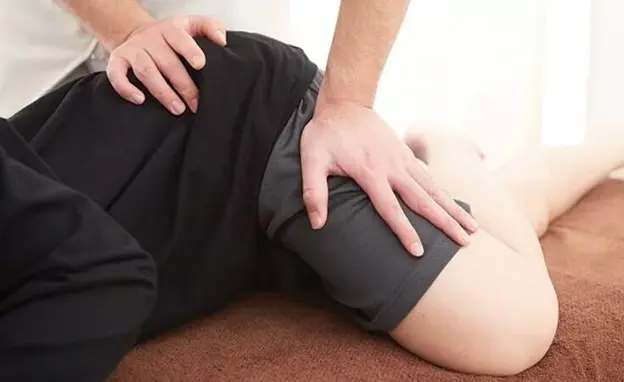
The therapist works with very light pressure, sometimes barely touching the skin. The motion is slow, rhythmic, and repetitive. Strokes are directed toward lymph node clusters in the neck, armpits, groin, and behind the knees. There’s almost no oil used, and clients often stay partially clothed depending on the area being worked.

You may feel:

  • A light, brushing sensation across the skin
  • Warmth or tingling in the limbs
  • Increased need to swallow or yawn
  • A strong urge to use the bathroom afterward

That last one is a good sign. It means the fluid is moving.

Who Should Consider Lymphatic Drainage Massage

This work isn’t only for people with diagnosed conditions. A wide range of clients benefit from it.

Post-Surgical Patients

Anyone recovering from cosmetic surgery, joint replacement, abdominal surgery, or cancer-related procedures (with doctor clearance) often sees faster healing with regular sessions. Many surgeons in the Lancaster area now refer patients for drainage work as standard post-op care.

People with Lymphedema or Chronic Swelling

Lymphedema, often a side effect of cancer treatment or lymph node removal, requires specialized care. While not all therapists are certified in Complete Decongestive Therapy, lymphatic drainage massage from a trained provider helps manage symptoms and reduce daily discomfort.

Athletes and Active Adults

After hard training blocks or competition, athletes use drainage sessions to clear metabolic waste, reduce inflammation, and shorten recovery time. It pairs well with deep tissue or sports work on alternating weeks. For more on bodywork after physical strain, see how massage therapy supports recovery after sports injuries.

Those with Autoimmune or Chronic Illness

Clients with Hashimoto’s, lupus, fibromyalgia, chronic fatigue syndrome, or long COVID often find drainage work easier on the body than firmer styles. The light pressure doesn’t trigger flares, and the immune support is meaningful for people whose systems are already taxed.

Pregnant and Postpartum Women

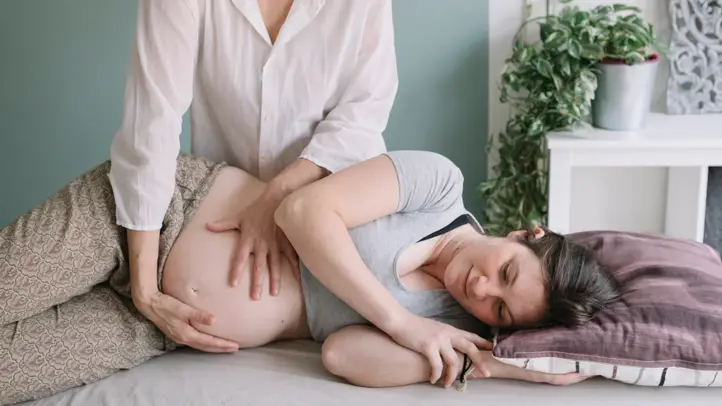
Pregnancy puts pressure on the lymphatic system, and many expecting mothers swell heavily in the third trimester. Drainage work, when performed by a therapist trained in prenatal techniques, can offer real relief. Postpartum, it helps the body shed fluid retention and recover faster. For more on bodywork during pregnancy, see prenatal massage in Lancaster, PA.

Anyone Feeling Sluggish, Puffy, or Run Down

You don’t need a diagnosis to benefit. People who sit at desks all day, travel often, or just feel like their body is moving slower than it should often see results from a few targeted sessions.

When to Avoid Lymphatic Drainage Massage

This work isn’t right for everyone. Skip or postpone sessions if you have:

  • Active infection or fever
  • Acute deep vein thrombosis or blood clots
  • Active cancer that has not been cleared by an oncologist for massage
  • Congestive heart failure
  • Acute kidney issues
  • Severe asthma in a current flare

Always check with your doctor if you have a chronic condition before booking. A trained therapist will also screen for these during the intake and recommend rescheduling if anything raises a concern.

How It Compares to Other Bodywork

It helps to see lymphatic drainage in the context of other massage styles offered around Lancaster.

Deep tissue massage targets muscle layers under firm pressure. It’s built for chronic tension, knots, and deep aches. Lymphatic work uses almost no pressure and targets fluid, not muscle. The two serve completely different purposes.

Swedish or relaxation massage moves blood through circulation and uses moderate pressure for general stress relief. Lymphatic drainage targets a separate fluid system entirely, with much lighter touch.

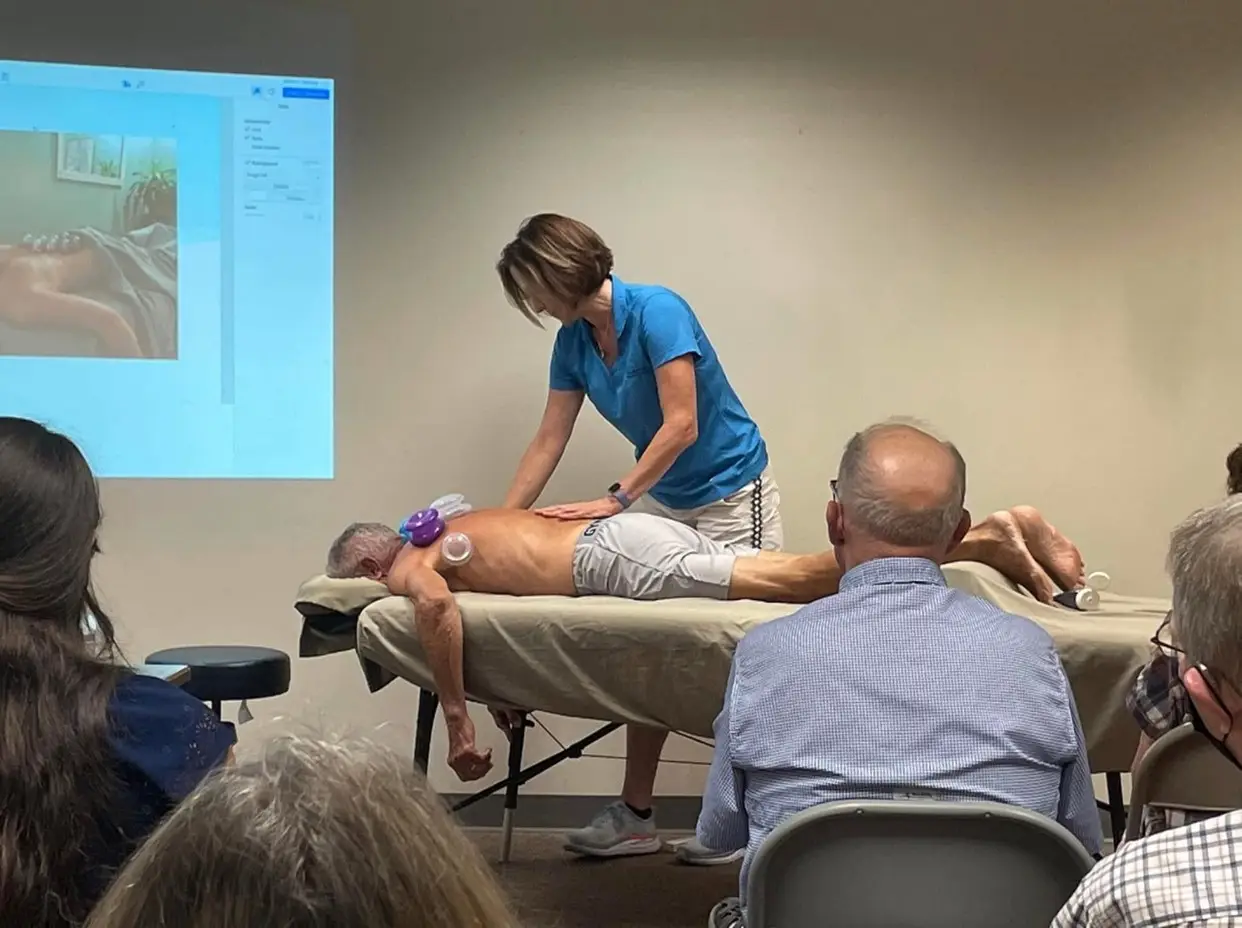
Cupping therapy creates suction to move fascia and bring blood to stagnant areas. Drainage moves fluid along a defined channel toward lymph nodes. Some clients use both as part of a recovery plan, just not in the same session.

For more on how these styles fit together, the guide to integrative massage in Lancaster breaks down how therapists combine techniques for specific goals.

How Often Should You Book Sessions?

Frequency depends on the reason you’re booking.

For post-surgical recovery, most surgeons recommend two to three sessions per week for the first two to four weeks, then once a week as healing progresses. For chronic swelling or lymphedema management, weekly or bi-weekly sessions often work best long-term. For general wellness or athletic recovery, once a month is usually plenty.

If you’re new to the work, start with one session, see how your body responds over the next few days, and decide from there. Some people feel results immediately. Others notice the shift two or three days later as fluid continues to move.

For more on building a sustainable schedule, see how often you should get a massage.

What to Expect After Your Session

The hours after a lymphatic drainage session can feel surprisingly active inside the body. Common after-effects include:

  • Frequent urination as fluid clears
  • Mild fatigue or a strong urge to nap
  • Increased thirst
  • Slight headache if dehydrated
  • Visibly reduced swelling in puffy areas
  • Lighter, looser feeling in the limbs

To get the most out of your session, drink water steadily for the rest of the day, avoid alcohol that night, eat light meals, and if you can, walk for 15 to 20 minutes within a few hours of leaving the table. Movement keeps the lymph flowing.

Mild soreness isn’t typical with this style, but if you experience any, this guide on post-massage soreness explains why it can happen and when it matters.

Booking Lymphatic Drainage Massage in Lancaster, PA

Lancaster has a growing pool of clients turning to lymphatic drainage for post-surgery healing, chronic illness support, athletic recovery, and everyday wellness. The work is gentle enough for almost anyone with their doctor’s approval, yet powerful enough to produce real, visible change.

If you’re recovering from a procedure, dealing with stubborn swelling, or just feel like your body needs a reset, this style of bodywork is worth a try. Pair it with the right rest, hydration, and follow-up care, and the results compound over time.

To browse available sessions and find a service that fits your needs, see the full list of massage services offered in Lancaster, or read about the top conditions medical massage therapists can treat to see how targeted bodywork fits into a wider care plan.

We're so glad you are here! What would you like to do today?

See our schedule and browse to book an appointment online!
Therapeutic Massage

In this health conscious, busy world, everyone WANTS a massage. People who work hard and experience stress, or aches and pains DESERVE a massage. Be their hero with a gift certificate. You both will thank us later!

Ready to Feel Better? Book Your
Appointment Today!

Booking your massage session has never been easier. Choose from our selection of
therapeutic treatments and schedule a time that works best for you. We’re here to help
you on your healing journey.