
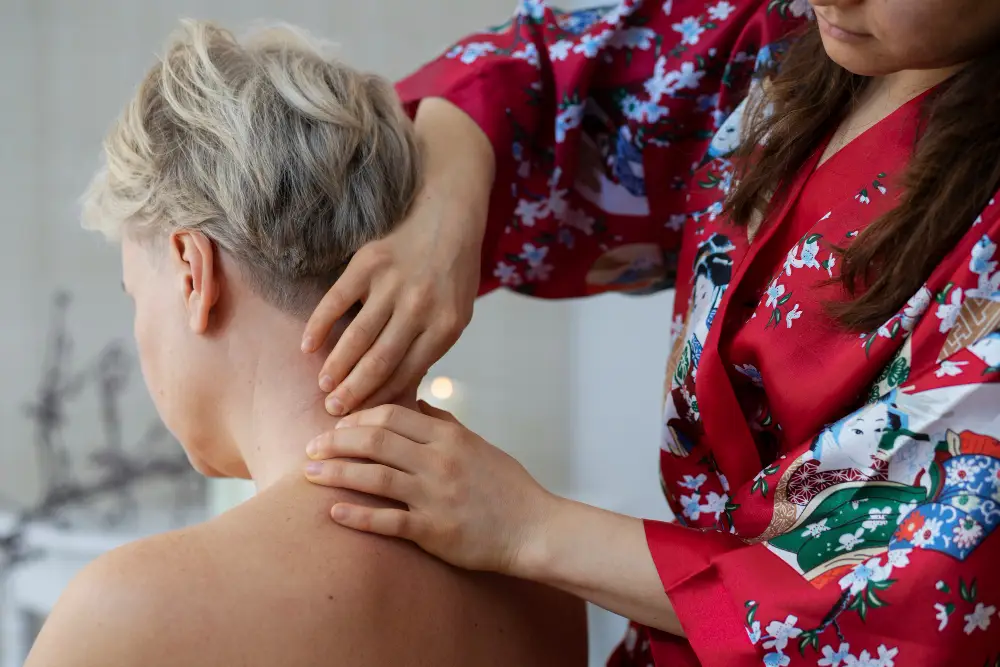
Menopause gets a lot less attention than it deserves in the healthcare conversation. Millions of women go through it, the symptoms can be significant, and the options for managing those symptoms are often framed as either hormone therapy or just waiting it out. But there’s a middle ground that a growing number of women in Lancaster are exploring: massage therapy.
This isn’t about replacing medical care. Hormone therapy and other medical approaches have their place. But massage offers something that medications don’t, which is direct physical intervention on the body’s stress response, circulation, muscle tension, and nervous system, all of which are affected during menopause.
What’s Actually Happening During Menopause
Menopause is a hormonal shift, but the effects go well beyond hormones. As estrogen and progesterone levels drop, several body systems are affected at once.
The nervous system becomes more reactive. Hot flashes, which are actually a nervous system response, become more frequent. Sleep disruption affects recovery. Muscle and joint pain that didn’t exist before can start showing up. Mood changes, anxiety, and emotional sensitivity are common. Circulation changes. Skin becomes more sensitive. For many women, this adjustment lasts years, and in Lancaster’s busy working and family environments, managing all of it while keeping up with daily life is genuinely hard.
How Massage Addresses Menopause Symptoms
Hot Flashes & the Nervous System
Hot flashes are triggered by a hypersensitive hypothalamus responding to small changes in body temperature. The underlying driver is often a dysregulated nervous system. Massage activates the parasympathetic nervous system, which is the calming side of the autonomic system. Regular massage sessions have been associated with reduced frequency and intensity of hot flashes in some studies, likely because they lower the overall level of nervous system reactivity.
Sleep & Recovery
One of the most disruptive symptoms of menopause is sleep disruption. Night sweats, anxiety, or simply an inability to fall or stay asleep can compound every other symptom. Massage increases serotonin levels, which is a precursor to melatonin, the hormone that regulates sleep. Women who receive regular massage during menopause often report meaningful improvements in sleep quality.
Muscle & Joint Pain
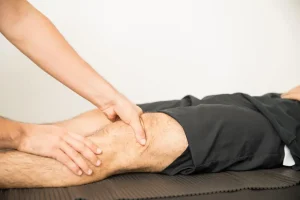
The drop in estrogen affects the joints and connective tissue. Many women notice new aches in their hips, knees, and lower back during menopause that weren’t there before. Massage addresses this directly by improving circulation to affected areas, reducing muscle tension around joints, and supporting the range of motion that tends to decrease when joints are inflamed or stiff.
Mood & Anxiety
Estrogen plays a role in regulating mood, so its decline can bring real shifts in emotional state. Anxiety, irritability, and low mood are common complaints during this period. Massage reduces cortisol, the primary stress hormone, and increases dopamine and serotonin. For many women, this shift creates a meaningful window of emotional relief, especially when sessions are consistent over time.
Circulation & Skin Sensitivity
Changes in circulation are another feature of menopause that massage addresses well. Improved blood flow helps with the heaviness or tingling that some women feel in their extremities, and the general improvement in circulation supports skin health during a time when skin is becoming drier and less elastic.
What Kind of Massage Works Best
Not all massage is equally suited for menopause symptoms. The most effective approaches tend to be those that work with the nervous system rather than just the muscle tissue.
Therapeutic massage that incorporates light to moderate pressure and focuses on areas of chronic tension, particularly the neck, shoulders, lower back, and hips, tends to produce the best results for menopause-related symptoms. Prenatal massage techniques are sometimes adapted for menopause because they’re designed to address hormonal changes and circulation in a similar way.
Foot reflexology is another option that some women find helpful for hot flashes and sleep disruption. It works through reflex points on the feet that correspond to endocrine and nervous system function.
Consistency matters more than intensity here. Women who come in for regular sessions every two to four weeks tend to see more meaningful symptom relief than those who come in only when symptoms are severe.
What to Tell Your Therapist
When you come in for a session focused on menopause symptoms, being specific about what you’re experiencing helps the therapist shape the work. Let them know which symptoms are most affecting your quality of life, including sleep, hot flashes, pain, or anxiety. A good therapist will use this to inform both the areas they focus on and the techniques they apply.
Also mention any medications you’re taking, since hormone therapy and other medications can affect skin sensitivity and circulatory response.
Getting Support in Lancaster
For women in Lancaster navigating menopause, massage therapy is a practical, accessible tool that works on several symptoms at once. It’s not a replacement for your doctor’s care, but it’s a meaningful addition to it. If you haven’t considered it before, it’s worth talking to a licensed massage therapist who has experience with hormonal and medical conditions to find out what a regular session can do for you.