
Sleep affects everything. Your mood, your energy, your ability to think clearly, and even your physical health all depend on getting enough rest. Yet millions of people struggle with insomnia. They lie awake at night, toss and turn, or wake up too early and cannot fall back asleep. Over time, this takes a serious toll on quality of life.
There are plenty of remedies out there, from medications to sleep apps to herbal supplements. But one approach that often gets overlooked is therapeutic massage. It is not just about relaxation. Massage therapy can actually change the way your body responds to stress and help reset your sleep patterns.
Why Insomnia Happens
Insomnia is rarely caused by just one thing. It usually involves a combination of factors. Stress is a major contributor. When your mind is racing with worries, it is hard to wind down at night. Physical tension also plays a role. Tight muscles, especially in the neck, shoulders, and back, can make it difficult to get comfortable in bed.
Pain is another common culprit. People dealing with chronic pain conditions often struggle to find a position that does not hurt. Even if they manage to fall asleep, they may wake up throughout the night.
Then there is the nervous system. When you are stuck in a state of constant alertness, your body produces stress hormones like cortisol. High cortisol levels interfere with your natural sleep cycle and make it harder to reach the deep, restorative stages of sleep.
How Massage Therapy Affects Sleep
Activating the Relaxation Response
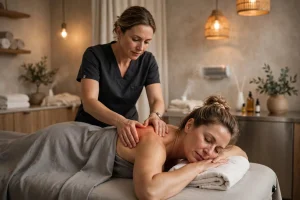
Massage therapy triggers the parasympathetic nervous system. This is the part of your nervous system responsible for rest and digestion. When it kicks in, your heart rate slows, your blood pressure drops, and your muscles relax. Your body shifts out of fight-or-flight mode and into a state that is more conducive to sleep.
Many people notice this effect during a massage session. They feel drowsy on the table, and that relaxed feeling often carries over into the evening. Regular sessions can help train your body to relax more easily, which makes falling asleep at night less of a struggle.
Reducing Cortisol Levels
Studies have shown that massage therapy can lower cortisol levels in the body. Cortisol is a stress hormone that keeps you alert. While you need some cortisol during the day, elevated levels at night can prevent you from sleeping well. By reducing cortisol, massage helps restore a healthier hormonal balance that supports restful sleep.
Boosting Serotonin & Melatonin
Massage therapy also increases the production of serotonin, a neurotransmitter that regulates mood and contributes to feelings of well-being. Serotonin is a precursor to melatonin, the hormone that signals your body that it is time to sleep. By boosting serotonin, massage indirectly supports melatonin production and helps regulate your sleep-wake cycle.
Releasing Muscle Tension
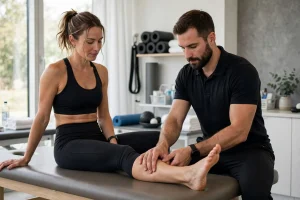
Physical tension can keep you awake or cause you to wake up repeatedly during the night. Tight shoulders, a stiff neck, or an aching lower back make it hard to get comfortable. Massage therapy releases these knots and loosens tight muscles, so you can settle into bed without that nagging discomfort.
Easing Chronic Pain
For people with chronic pain conditions like fibromyalgia, arthritis, or back problems, sleep can be elusive. Pain interrupts sleep, and poor sleep makes pain worse. It is a frustrating cycle. Massage therapy can break this cycle by reducing pain levels. When you hurt less, you sleep better. And when you sleep better, your body is more capable of managing pain.
Types of Massage That Help with Insomnia
Several massage techniques are particularly helpful for sleep issues. Swedish massage uses long, flowing strokes that promote relaxation. Deep tissue massage targets chronic muscle tension that might be keeping you awake. Reflexology focuses on pressure points in the feet that correspond to different areas of the body, including those related to relaxation and sleep.
Your massage therapist can recommend the best approach based on your specific situation. If stress is your main issue, a gentler technique might work best. If pain or chronic tension is the problem, deeper work may be more effective.
Building Massage into Your Sleep Routine
Timing matters. Many people find that scheduling a massage in the late afternoon or early evening helps them sleep better that night. The relaxation effects linger for hours, making it easier to wind down at bedtime.
Consistency also helps. One massage can provide temporary relief, but regular sessions have a cumulative effect. Over time, your body learns to let go of tension more easily, and your baseline stress level drops. This makes it easier to fall asleep and stay asleep night after night.
Complementary Strategies for Better Sleep
Massage therapy works best as part of a broader approach to improving sleep. Keeping a consistent sleep schedule, limiting screen time before bed, and creating a comfortable sleep environment all make a difference. Reducing caffeine and alcohol intake, especially in the evening, can also help.
Some people combine massage with other relaxation practices like stretching, meditation, or breathing exercises. These techniques reinforce the calming effects of massage and help you maintain that relaxed state throughout the night.
When to Seek Help
Insomnia that lasts for weeks or months deserves attention. If you have tried various remedies and still cannot sleep, talk to a healthcare provider. There may be an underlying condition that needs to be addressed. Massage therapy is a helpful tool, but it works best as part of a complete approach to health.
For many people, adding regular massage sessions to their routine makes a noticeable difference in sleep quality. It is a natural, drug-free option that addresses both the physical and mental factors that contribute to insomnia. If you have been struggling to get the rest you need, it may be worth giving it a try.
Looking for relief in Lancaster? See how our medical massage in Lancaster, PA can help, then schedule your session online or call (717) 725-9670.