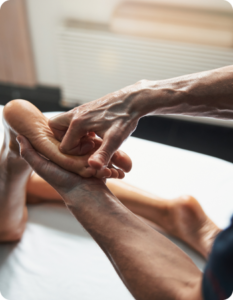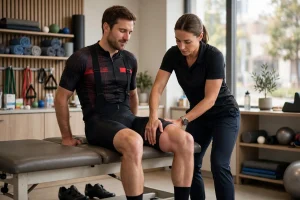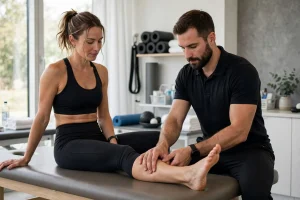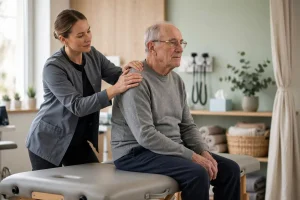

Athletes at every level deal with injuries. It comes with the territory. From weekend warriors to competitive players, the wear and tear of physical activity eventually catches up with everyone. When an injury happens, the focus shifts from training to healing. And while rest and medical treatment play a role, massage therapy has become a go-to method for speeding up recovery and getting athletes back in action.
This is not just about feeling good on the table. Massage therapy works on a deeper level to address the damage that sports injuries cause in muscles, tendons, and soft tissue. It promotes blood flow, reduces inflammation, and helps the body repair itself faster than rest alone.
What Happens to Your Body After a Sports Injury
When you injure a muscle or tendon, your body responds immediately. Inflammation kicks in as part of the natural healing process. Blood rushes to the area, and swelling often follows. While this is a sign that your body is working to repair the damage, it can also lead to stiffness, pain, and limited mobility.
Scar tissue begins to form as the injury heals. This is necessary for repair, but scar tissue is less flexible than healthy muscle. Without proper intervention, it can lead to tightness and a reduced range of motion. Many athletes find that even after an injury heals, they still feel restricted or weaker in that area.
Massage therapy addresses these issues directly. It helps break up scar tissue before it becomes a long-term problem and keeps the surrounding muscles loose and functional during the recovery period.
How Massage Therapy Supports the Healing Process
Improving Circulation
One of the biggest benefits of massage therapy is increased blood flow. When circulation improves, more oxygen and nutrients reach the injured area. This accelerates tissue repair and helps flush out the metabolic waste that builds up after an injury. Better circulation also reduces swelling, which can make movement easier and less painful.
Reducing Muscle Tension
After an injury, the muscles around the affected area often tighten up. This is a protective response, but it can create additional problems. Tight muscles restrict movement and place extra stress on joints and tendons. Massage therapy releases this tension, allowing the body to move more freely and reducing the risk of compensatory injuries.
Breaking Down Scar Tissue
Scar tissue forms as part of the healing process, but too much of it can limit flexibility. Techniques like deep tissue massage and myofascial release target scar tissue and help realign the fibers. This makes the healed tissue more functional and less prone to re-injury.
Managing Pain Without Medication
Many athletes prefer to avoid relying on pain medication during recovery. Massage therapy offers an alternative. It stimulates the release of endorphins, the body’s natural painkillers. It also activates the parasympathetic nervous system, which helps reduce the perception of pain and promotes relaxation.
Common Sports Injuries That Respond Well to Massage
Massage therapy can help with a wide range of sports injuries. Some of the most common include strains and sprains, tendinitis, shin splints, runner’s knee, IT band syndrome, rotator cuff injuries, and lower back pain from athletic activity.
Each of these conditions involves soft tissue damage or inflammation. Massage therapy targets the affected area and the surrounding muscles, helping to restore function and reduce discomfort.
What to Expect During Recovery Massage Sessions
The approach depends on the type and severity of the injury. In the early stages of healing, lighter techniques may be used to avoid aggravating the tissue. As the injury improves, deeper work can be introduced to address scar tissue and restore mobility.
A skilled therapist will assess your condition and adjust the treatment accordingly. Communication is important. Let your therapist know what you are feeling during the session so they can modify the pressure or technique as needed.
Many athletes find that regular sessions during the recovery period produce better results than waiting until the injury has fully healed. Starting massage therapy early can prevent complications and shorten the overall recovery time.
Beyond Recovery: Preventing Future Injuries
Massage therapy is not just for healing. It is also a tool for prevention. Athletes who include regular massage in their training routines tend to experience fewer injuries over time. This is because massage keeps muscles supple, improves flexibility, and identifies tight spots before they become problems.
Think of it as maintenance for your body. Just like you would service a car to keep it running smoothly, massage therapy keeps your muscles and joints in good working order. This is especially important for athletes who train hard and push their bodies to the limit.
Making Massage Therapy Part of Your Recovery Plan
If you are recovering from a sports injury, consider adding massage therapy to your treatment plan. It works well alongside physical therapy, stretching routines, and other rehabilitation methods. Many athletes find that it speeds up their return to activity and helps them feel more confident in their body once they are back in the game.
Talk to your healthcare provider about incorporating massage therapy into your recovery. With the right approach, you can heal faster, move better, and reduce the chances of dealing with the same injury again.
Looking for relief in Lancaster? See how our medical massage in Lancaster, PA can help, then schedule your session online or call (717) 725-9670.