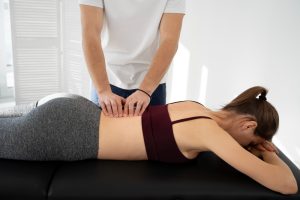


Deep tissue massage techniques target the inner layers of muscle and connective tissue where chronic tension and adhesions often develop. Unlike relaxation massage that focuses on surface muscles and general stress relief, deep tissue work addresses specific areas of dysfunction that contribute to ongoing back and neck pain. Knowing these techniques helps you know what to expect during treatment and how to communicate effectively with your massage therapist.
Back and neck pain affects a significant portion of the adult population. Prolonged sitting, poor posture, repetitive movements, and stress all contribute to the muscle imbalances and tissue restrictions that cause discomfort. Deep tissue massage techniques offer a targeted approach to releasing these problem areas and restoring normal function.
Trigger Point Therapy
Trigger points are hyperirritable spots within taut bands of muscle tissue. They feel like small knots under the skin and can cause local pain as well as referred pain in other areas of the body. A trigger point in the upper trapezius muscle, for example, can refer pain into the head and behind the eye, contributing to tension headaches.
During trigger point therapy, the massage therapist applies sustained pressure to these nodules using fingers, thumbs, or elbows. The pressure is held for thirty seconds to two minutes, during which the muscle fibers gradually release. You may feel initial discomfort that changes into relief as the tension dissolves. Communication with your therapist ensures the pressure remains within your tolerance while still being effective.
Common Trigger Point Locations for Back Pain
The quadratus lumborum, a deep muscle connecting the pelvis to the spine and ribs, frequently develops trigger points that cause low back pain. This muscle works constantly to stabilize the spine and is prone to overload from prolonged sitting or asymmetrical movement patterns. Deep tissue work on the quadratus lumborum can provide significant relief for people with chronic lower back discomfort.
The erector spinae muscles run along both sides of the spine and support the back during movement and at rest. Trigger points in these muscles contribute to stiffness and aching that worsens with activity or prolonged positioning. Systematic treatment of trigger points throughout the erector group helps restore flexibility and reduce pain.
Myofascial Release Techniques
Fascia is a continuous web of connective tissue that surrounds and penetrates every muscle, bone, and organ in your body. When healthy, fascia is supple and allows smooth gliding between tissue layers. Injury, inflammation, or prolonged immobility can cause fascia to become restricted, creating areas of tightness that limit movement and cause pain.
Myofascial release involves slow, sustained pressure applied without oil or lotion. The therapist’s hands sink into the tissue and follow the natural movement of the fascia as it releases. This technique requires patience, as fascial restrictions take time to soften. Sessions may feel less intense than traditional deep tissue work but can produce profound changes in tissue mobility.
How Fascial Restrictions Develop
Sitting at a desk for hours each day causes adaptive shortening in the fascia of the hip flexors and chest. Over time, this creates a forward posture that strains the back and neck as they work to compensate. Myofascial release on the anterior body can help rebalance these patterns and reduce the workload on posterior muscles.
Previous injuries leave scar tissue that integrates into the fascial network. Even old injuries can continue to affect movement and cause pain years later. Myofascial techniques work to soften and reorganize scar tissue, restoring more normal function to the affected area.
Cross Fiber Friction
Cross fiber friction is a technique applied perpendicular to the direction of muscle fibers. This approach breaks up adhesions between tissue layers and stimulates the healing response in areas of chronic inflammation. The technique is often used on tendons and ligaments as well as muscle tissue.
When applied to the paraspinal muscles of the back, cross fiber friction helps release the areas where muscles have become adhered to each other or to underlying structures. The sensation can be intense, and therapists typically work in short bursts followed by flushing strokes to clear metabolic waste and bring fresh blood to the area.
Stripping & Deep Gliding Strokes
Stripping involves slow, deliberate strokes applied along the length of a muscle using the thumb, knuckles, or elbow. The therapist maintains firm pressure while moving from one end of the muscle to the other, lengthening the fibers and releasing areas of tightness. This technique is particularly effective for long muscles like those along the spine.
Deep gliding strokes also follow the muscle fibers but may cover a broader area. The goal is to warm the tissue, increase circulation, and prepare the area for more specific work. These strokes help flush metabolic waste from congested tissue and bring oxygen and nutrients needed for repair.
Techniques Specific to Neck Pain
The neck contains multiple layers of small muscles that allow for the fine movements of the head. These muscles are vulnerable to strain from forward head posture, computer use, and stress. Deep tissue techniques for the neck require precision and careful attention to the many sensitive structures in this region.
The suboccipital muscles at the base of the skull are common culprits in neck pain and headaches. These small muscles can be addressed with fingertip pressure applied just below the occipital ridge. The levator scapulae, which runs from the neck to the shoulder blade, frequently develops painful trigger points that respond well to direct pressure and stretching techniques.
What to Expect During Treatment
Deep tissue massage techniques require communication between you and your therapist. The pressure should feel productive but not overwhelming. A common guideline is to stay within a seven on a pain scale of ten, where the sensation is intense but you can still breathe and relax. Holding your breath or tensing against the pressure reduces effectiveness.
You may experience some soreness in the day or two following deep tissue work. This is normal and indicates that changes are occurring in the tissue. Drinking plenty of water, applying heat, and gentle movement help the body process these changes. The soreness typically resolves within 48 hours and is followed by improved mobility and reduced pain.