
“Is medical massage just a regular massage with a different name?” It’s one of the most common questions we hear. The two can look similar from the outside, but they have very different goals, structures and outcomes. Here’s what sets them apart.
What Is a Regular (Relaxation) Massage?
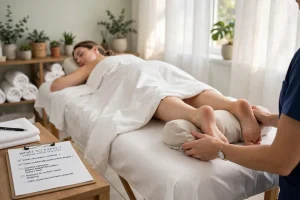
A regular massage, often a Swedish or spa-style session, focuses on helping you relax. The therapist uses a standard full-body routine with flowing strokes. You’ll likely walk out calmer and less tense, which has real value for stress and wellbeing.
What Is Medical Massage?
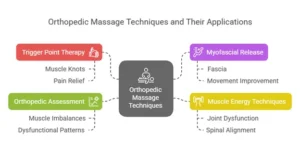
Medical massage is outcome-based. Instead of following a set routine, your therapist assesses your body, identifies what’s contributing to your pain or limited movement, and treats those specific areas. The goal is a measurable change, such as less pain, better range of motion, or being able to sleep, sit or work more comfortably.
Key Differences at a Glance
| Regular Massage | Medical Massage | |
|---|---|---|
| Goal | Relaxation, stress relief | Relieve pain, restore function |
| Starts with | Brief preferences check | Intake and assessment of posture and movement |
| Techniques | General full-body strokes | Targeted orthopedic, myoskeletal, neuromuscular and deep tissue work |
| Focus | Whole body | The source of the problem, not just where it hurts |
| Progress | How you feel afterward | Re-assessed after the session and over time |
Who Should Choose Medical Massage?
- People with chronic back, neck, shoulder, hip or knee pain
- Anyone recovering from an injury or surgery (with clearance from their provider)
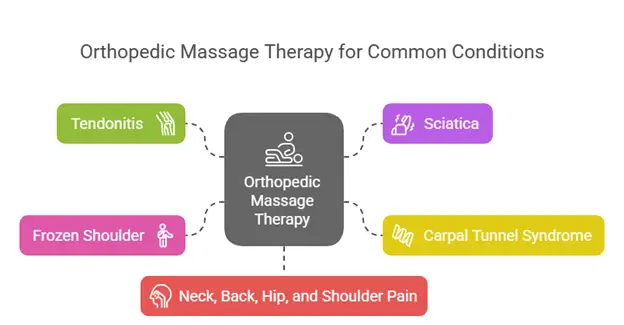
- People with conditions such as sciatica, frozen shoulder, TMJ or plantar fasciitis
- People living with fibromyalgia, MS, Parkinson’s or other chronic conditions who need skilled, gentle care
What Happens in a Medical Massage Session at Focused Care
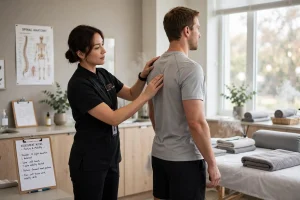
- Intake and assessment. We discuss your history and goals and look at posture and movement.
- Targeted treatment. Jean Kark, LMT, NMCT, MMT combines orthopedic techniques, myoskeletal alignment, deep tissue and, when appropriate, hot stones, cupping or essential oils.
- Re-assessment. We check how your range of motion and pain have changed so progress is measurable.
Is Medical Massage Better?
It’s better for a specific problem. If you’re simply stressed and want to unwind, a relaxation or integrative massage may be exactly right. Many clients start with medical massage to resolve a problem, then switch to regular maintenance sessions once they’re feeling better.
Research on massage for pain is still developing. The National Center for Complementary and Integrative Health notes that massage may offer short-term relief for some types of pain, and that its risks appear low when performed by a trained therapist.
Frequently Asked Questions
Do I need a doctor’s referral?
No referral is needed to book at Focused Care. We’re happy to coordinate with your doctor, chiropractor or physical therapist.
How many sessions will I need?
It depends on your condition, how long you’ve had it and how your body responds. Your therapist will discuss a plan after your first assessment.
Can medical massage work alongside physical therapy or chiropractic care?
Yes. Many clients combine them. Read the benefits of combining massage and chiropractic care.
This article is for general education and is not medical advice. If you have a medical condition, recent injury or surgery, or you are pregnant, check with your healthcare provider before booking a massage.
Book Your Session at Focused Care
Focused Care Therapeutic Massage is located at 274A Granite Run Dr, Lancaster, PA 17601. Learn more about our medical massage, book online, or call or text (717) 725-9670.