
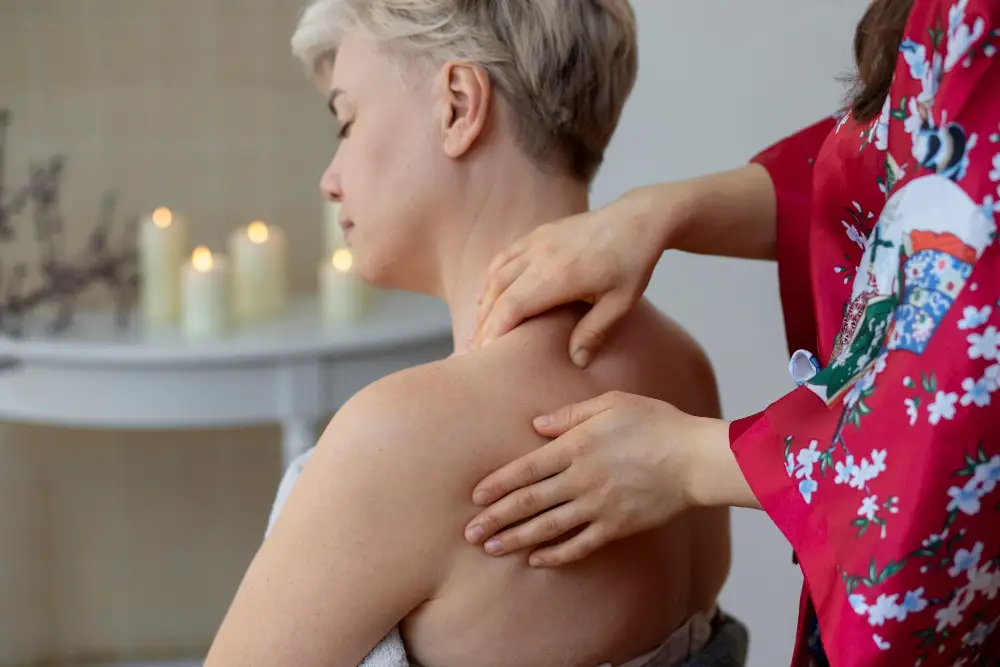
Frozen shoulder is one of those problems that sneaks up on you. One day you reach for a seatbelt or try to fasten a strap behind your back and your shoulder just will not go there. It hurts, it is stiff, and it can drag on for months if you leave it alone. The good news is that hands-on work can move things along. If you have been looking into frozen shoulder massage in Lancaster PA, here is how it helps and what to expect.
What Frozen Shoulder Actually Is
Frozen shoulder, known in medical terms as adhesive capsulitis, happens when the capsule of tissue around the shoulder joint thickens and tightens. That tissue starts to stick to itself, which is where the name adhesive comes from. The result is a shoulder that hurts and slowly loses its ability to move.
The Three Stages
Frozen shoulder moves through three stages. The freezing stage brings pain that builds over weeks, and the shoulder starts to stiffen. The frozen stage is when the pain may ease a little but the stiffness peaks, and daily tasks get hard. The thawing stage is the slow return of motion, which can take many months on its own. Left alone, the whole thing runs anywhere from one to three years.
Why It Gets So Stiff
The stiffness comes from that tight capsule plus the muscles around it guarding the joint. When a shoulder hurts, you stop using it, and the muscles nearby tighten up to protect it. Over time that guarding becomes its own problem, layering muscle tension on top of the capsule issue. So you end up with two things holding the shoulder hostage, not one.
How Massage Helps at Each Stage
Massage does not fix the capsule overnight, but it works on the parts that respond to hands-on care, and that speeds the return of motion.
The Freezing Stage
Early on, the goal is calming pain and keeping the muscles around the shoulder from locking down too hard. Gentle work on the shoulder, upper back, and neck eases the guarding and helps you hold on to what motion you still have. Pushing hard here backfires, so the touch stays light and steady.
The Frozen Stage
This is where careful massage earns its keep. The therapist works the tight muscles around the joint, the rotator cuff area, the chest, and the upper back, loosening the tension that piles on top of the stiff capsule. As those muscles release, the shoulder often gains a little more room to move. Paired with gentle stretching, this is how range of motion starts creeping back.
The Thawing Stage
Once the shoulder is opening up, massage supports the gains. Loosening the surrounding muscles lets you push your stretches and exercises a bit further without the tissue fighting back. People often find that regular sessions during this stage help them recover faster than doing stretches alone.
What a Session Looks Like
A frozen shoulder session is slower and more careful than a standard massage.
Techniques That Loosen the Joint
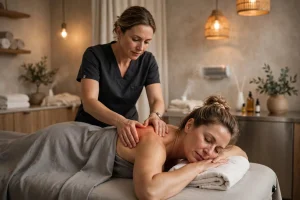
The therapist uses a mix of soft tissue work, trigger point release on the tight spots, and gentle movement of the arm to coax the joint. They will often work the neck and upper back too, since those areas tense up to compensate. Warmth may be used first to relax everything before the deeper work starts.
Working With Your Limits
The therapist moves within the range you can handle, not past it. Frozen shoulder is painful, and forcing the joint can set you back. A good therapist checks in constantly, watches how you respond, and stops short of sharp pain. It should feel like productive work, not torture. You stay in control of how far things go.
Helping the Process Along at Home
Between sessions, keeping the shoulder moving matters. Gentle stretches, the pendulum swing where you let the arm hang and circle it, and easy reaches through the day all keep the tissue from tightening back up. Warmth before you stretch helps. Your therapist can show you a few moves that fit your stage so you are not guessing.
Rest matters too, but total rest is the trap with frozen shoulder. The less you move it, the stiffer it gets, so the aim is gentle, regular motion rather than babying it completely. Pair that home routine with hands-on sessions and the recovery timeline tends to shrink.
If you have been putting up with a stiff, sore shoulder and hoping it sorts itself out, know that it usually does not, at least not quickly. Hands-on care aimed at the muscles and the joint gives your body a real push toward getting motion back. For people around Lancaster dealing with this, booking regular sessions during the frozen and thawing stages is one of the better moves you can make. Talk with your doctor too, since frozen shoulder sometimes needs added care, but massage is a solid part of getting your arm working again.
Ready to feel better? Learn more about our orthopedic massage therapy, or book your appointment online. You can also call or text (717) 725-9670.