
Your rotator cuff is a group of four small muscles and their tendons that keep your shoulder stable while it moves. Because the shoulder moves in so many directions, these muscles work hard, and they’re easy to strain. Reaching overhead, lifting, throwing, painting a ceiling or sleeping on one side can all leave the shoulder sore.
Massage can be a helpful part of recovery for many shoulder problems. Here’s what to know.
Common Rotator Cuff Problems
- Strains and tendinitis: irritation from overuse or repetitive motion.
- Impingement: pinching of tendons when you lift your arm, often linked to posture and tight surrounding muscles.
- Tears: partial or full tears from injury or wear over time. These need medical evaluation.
How Massage Can Help
Massage doesn’t repair a torn tendon, but it can address the muscles and tissues around the shoulder that affect pain and movement:
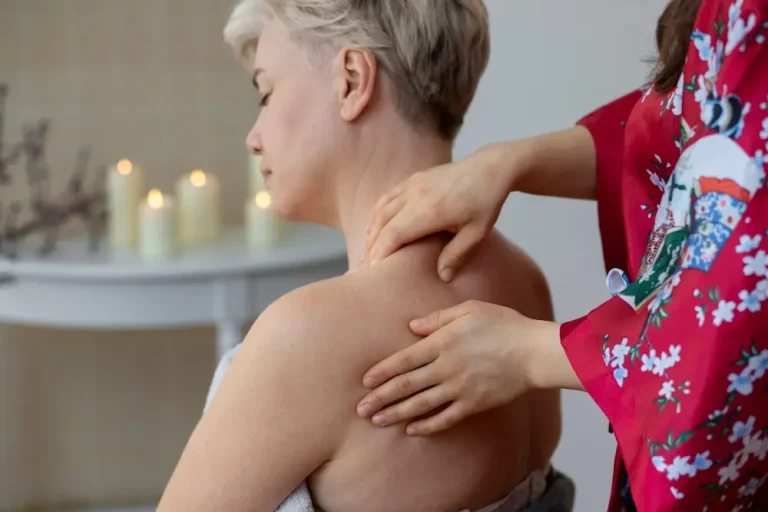
- Easing tension in the upper trapezius, chest (pectorals) and upper back that can pull the shoulder forward
- Working on trigger points in the rotator cuff muscles that refer pain down the arm
- Supporting range of motion alongside your rehab exercises
- Reducing guarding and stress around a painful shoulder
When to See a Doctor First
Get checked by a healthcare provider before massage if you have sudden shoulder pain after a fall or lift, significant weakness (you can’t lift your arm), a popping sensation with injury, numbness or tingling, or pain that doesn’t improve after a couple of weeks. If you’ve had shoulder surgery, follow your surgeon’s timeline.
Working Alongside Physical Therapy
Massage and physical therapy work well together. PT builds strength and control; massage helps tight tissues relax so you can do your exercises with less discomfort. Let your therapist know what your PT has you working on.
What to Expect at Focused Care
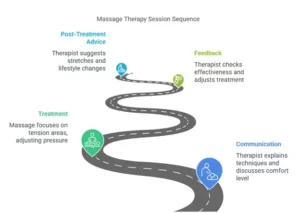
Jean Kark’s orthopedic and myoskeletal sessions commonly address rotator cuff problems. Your session starts with questions about your injury and a check of how your shoulder moves. Treatment focuses on the shoulder, neck, upper back and chest, and finishes with a re-check of your range of motion.
Home Care Tips
- Avoid sleeping directly on the painful shoulder; hug a pillow instead.
- Keep the shoulder moving gently within a pain-free range.
- Take breaks from overhead work.
- Follow the exercises from your PT or provider consistently.
Related Reading
This article is for general education and is not medical advice. If you have a medical condition, recent injury or surgery, or you are pregnant, check with your healthcare provider before booking a massage.
Book Your Session at Focused Care
Focused Care Therapeutic Massage is located at 274A Granite Run Dr, Lancaster, PA 17601. Learn more about our orthopedic massage, book online, or call or text (717) 725-9670.