
You may have heard of reflexology but were not quite sure what it actually involves. It is one of those therapies that sounds interesting but can also seem a bit mysterious if you have never tried it. The good news is that reflexology is simpler than you might think, and it has some real benefits for your overall health and wellbeing.
When people search for reflexology near me, they are usually looking for a natural way to relax, reduce stress, or address specific health concerns. Reflexology delivers on all of those fronts by working with the feet, hands, or ears to influence the rest of the body.
The Basics of Reflexology
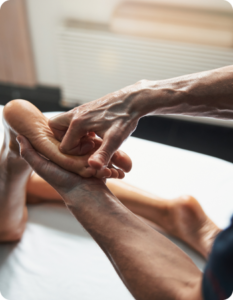
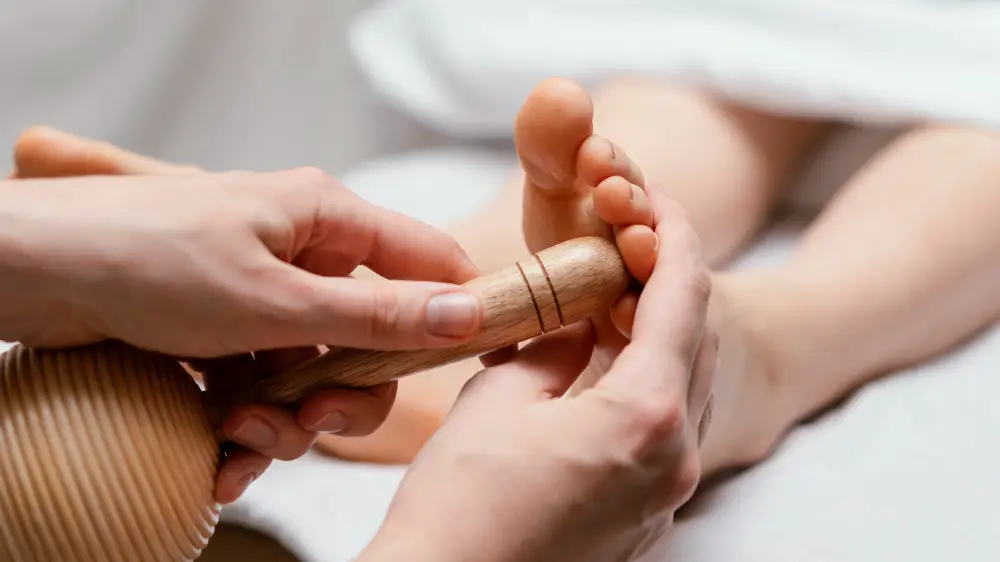
Reflexology is based on the idea that certain points on the feet, hands, and ears correspond to different organs and systems in the body. By applying pressure to these reflex points, a trained practitioner can help stimulate healing responses throughout the entire body.
This is not the same as a regular foot massage, although it can feel just as relaxing. The focus is on specific zones and pressure points rather than general muscle manipulation. Practitioners use their thumbs and fingers to work these areas with intention and precision.
How Reflexology Differs From Massage
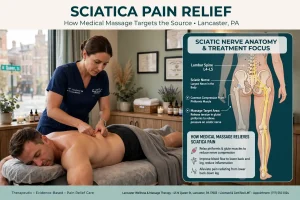
While both reflexology and massage can help you relax, they work in different ways. Massage targets the muscles and soft tissue directly, releasing tension and improving circulation in those specific areas. Reflexology takes a more indirect approach by stimulating nerve endings that send signals to other parts of the body.
Many people find that reflexology complements their regular massage sessions. The two therapies can work together to address both local and systemic issues.
What Happens During a Reflexology Session
If you have never had reflexology before, you might be curious about what to expect. Sessions typically last between 30 and 60 minutes, and you remain fully clothed except for removing your shoes and socks.
The practitioner will start by examining your feet and asking about any health concerns or goals you have. From there, they will begin working through the reflex points, paying extra attention to areas that feel tender or blocked.
Sensations You Might Experience
Most people find reflexology deeply relaxing. Some reflex points may feel tender or sensitive, which can indicate areas of imbalance in the corresponding parts of the body. This tenderness usually decreases over the course of the session and with regular treatments.
It is also common to feel warmth, tingling, or a sense of energy moving through your body during or after a session. These are all normal responses and usually indicate that the therapy is having an effect.
Health Benefits of Reflexology
People seek out reflexology for a wide range of reasons. Some of the most commonly reported benefits include reduced stress and anxiety, improved sleep quality, relief from headaches and migraines, better digestion, and decreased pain in various parts of the body.
Research on reflexology continues to grow, and many studies have shown positive outcomes for conditions like chronic pain, neuropathy, and stress-related disorders. While reflexology is not a replacement for medical treatment, it can be a valuable part of a holistic approach to health.
Reflexology for Stress Relief
One of the most popular reasons people try reflexology is to manage stress. The therapy activates the parasympathetic nervous system, which is responsible for rest and relaxation. When this system kicks in, heart rate slows, blood pressure drops, and muscle tension releases.
In a world where most of us spend too much time in fight-or-flight mode, anything that helps shift us into a calmer state is worth exploring. Regular reflexology sessions can help train your body to relax more easily and recover from stress more quickly.
Who Can Benefit From Reflexology
The short answer is almost everyone. Reflexology is gentle enough for children and older adults, and it can be adapted for people with various health conditions. Pregnant women often find it helpful for managing discomfort, although they should work with a practitioner who has experience with prenatal care.
People with chronic conditions like diabetes, fibromyalgia, or autoimmune disorders may also benefit from regular sessions. The therapy can help with symptom management and overall quality of life.
When to Avoid Reflexology
There are a few situations where reflexology may not be appropriate. If you have open wounds, infections, or fractures in your feet, you should wait until those have healed. People with blood clots or severe circulatory issues should also consult with their doctor before trying reflexology.
A good practitioner will always ask about your health history before starting a session and will adjust their approach based on your individual needs.
Finding a Qualified Reflexologist
When searching for reflexology near me, it is important to find someone who has proper training and certification. Reflexology requires specialized knowledge that goes beyond general massage therapy.
Look for practitioners who have completed accredited programs and have experience working with clients who have similar concerns to yours. Do not be afraid to ask about their background and approach before booking a session.
Making Reflexology Part of Your Wellness Routine
Like most holistic therapies, reflexology works best when done consistently. A single session can provide immediate relaxation and relief, but the long-term benefits come from regular treatments. Many people schedule sessions every few weeks as part of their ongoing self-care routine.
If you are curious about what reflexology can do for you, the best way to find out is to give it a try. Your feet carry you through every day, and they deserve some attention in return.
Ready to feel better? Learn more about our foot reflexology in Lancaster, PA, or book your appointment online. You can also call or text (717) 725-9670.