
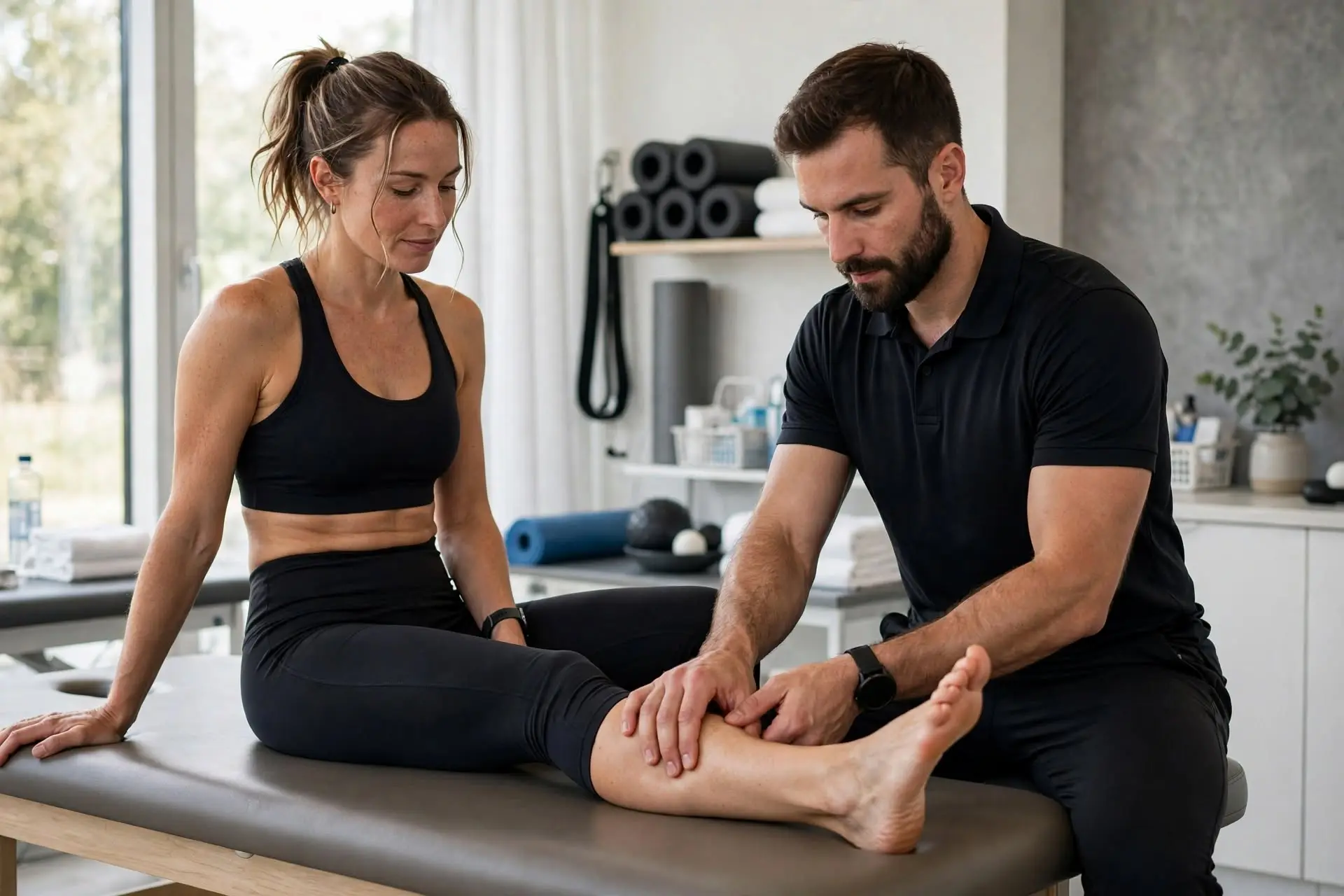
Any runner who has dealt with plantar fasciitis knows how stubborn it can be. That sharp pain in the heel with the first steps in the morning has a way of hanging around for months, no matter how much you stretch. The reason is that stretching alone often misses part of the problem. Hands-on foot and calf work reaches the tissue that stretching cannot, and it is why so many runners turn to focused bodywork and reflexology in Lancaster PA to get back on the road. This article walks through the protocol that keeps runners moving.
Why Plantar Fasciitis Hangs On
Plantar fasciitis is one of the most common foot problems runners face, and it tends to linger. Knowing what is happening in the foot helps explain why the pain is so persistent.
What the Plantar Fascia Does
The plantar fascia is a thick band of tissue that runs along the bottom of the foot, connecting the heel to the toes. It supports the arch and absorbs the load every time the foot hits the ground. When it becomes irritated and inflamed from the repeated pounding of running, the result is pain, especially near the heel. The pain is often the worst with the first steps in the morning, because the tissue tightens overnight and then gets pulled as soon as you stand.
The Calf Connection Most People Miss
Here is the part that many runners overlook. The calf muscles connect down through the ankle and into the foot, and when the calves are tight, they pull on the tissue that runs along the bottom of the foot. This added tension keeps the plantar fascia under strain even when you are resting. So a foot problem is very often a calf problem in disguise. Treating only the foot while ignoring tight calves leaves half the issue in place, which is a big reason the pain keeps coming back.
Why Stretching Alone Falls Short
Stretching is a standard piece of advice for plantar fasciitis, and it does help, but it rarely solves the problem on its own. There are reasons it falls short.
Stretching Does Not Reach the Tight Tissue
Stretching lengthens the muscles to a point, but it does not release the deep knots and tight bands that build up in the calves and the bottom of the foot. These tight spots need direct pressure to let go, and a stretch simply cannot reach them the way hands-on work can. This is why a runner can stretch faithfully for weeks and still feel the same heel pain each morning.
The Trigger Points Behind the Pain
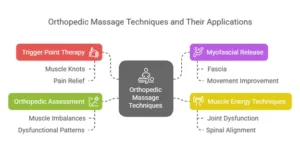
Tight muscles often develop trigger points, which are knots that refer pain to other areas. Trigger points in the calf muscles can send pain down into the heel and foot, adding to the discomfort of plantar fasciitis. Stretching does not clear these knots, so the pain they cause continues. Releasing them takes targeted pressure, which is where the hands-on protocol comes in.
The Foot & Calf Protocol
The approach that works treats the whole chain from the calf down through the foot rather than focusing on the heel alone. This is the protocol that gets runners real relief.
Releasing the Calf Muscles
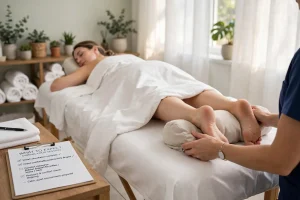
The work often starts with the calves, since tight calf muscles are so often behind the foot pain. The therapist works through the calf muscles to release the tension and the knots that pull on the foot. As the calves loosen, the constant strain on the plantar fascia eases, which gives the irritated tissue a chance to settle down. Many runners are surprised by how much their foot pain improves once the calves are addressed.
Working the Plantar Fascia & Foot
The therapist then works directly on the bottom of the foot, applying careful pressure along the plantar fascia and the small muscles of the foot. This work loosens the tight tissue, improves blood flow to the area, and helps break up the tension that has built up. Foot-focused bodywork reaches the tissue that carries so much of the load, and it brings relief that stretching cannot match on its own.
Addressing the Trigger Points
Clearing the trigger points in the calves and foot is a key part of the protocol. The therapist locates these knots and applies steady pressure to release them, which stops the pain they refer into the heel and foot. Once these trigger points are cleared, a source of ongoing pain is removed, and the foot has a better chance to heal.
Keeping Runners on Their Feet
The runners who stay ahead of plantar fasciitis treat this work as regular maintenance rather than waiting until the pain forces them to stop.
Between-Run Maintenance
Running keeps loading the calves and feet, so the tightness tends to return without upkeep. Regular sessions between runs keep the calves loose and the foot tissue healthy, which helps prevent the pain from taking hold again. Booking work during heavy training stretches keeps small problems from growing into an injury that sidelines you.
Pairing Bodywork With Good Habits
Bodywork does its best work alongside good habits. Continuing to stretch the calves and feet, wearing supportive shoes, rolling the foot on a ball at home, and building mileage gradually all support the hands-on work. Together, these habits and regular bodywork keep the plantar fascia calm and the feet ready to run.
For runners in Lancaster fighting plantar fasciitis, the foot and calf protocol offers relief that stretching alone cannot provide. By releasing the calves, working the plantar fascia, and clearing the trigger points, focused bodywork addresses the whole problem rather than just the heel. Pair it with smart habits and regular upkeep, and you can keep the pain from ruling your mornings and stay out on the road doing what you love.
Ready to feel better? Learn more about our medical massage in Lancaster, PA, or book your appointment online. You can also call or text (717) 725-9670.