
Getting older changes how the body feels day to day. Joints get stiffer, muscles lose some of their give, and circulation slows down. Massage is one of the simpler ways to push back against all of that, and it does not have to be intense to work. For older adults looking into senior massage therapy in Lancaster PA, here is what it offers and how the approach shifts to fit an aging body.
Why Massage Matters More With Age
The aches and stiffness that come with age are not just something to put up with. A lot of it responds well to regular hands-on care.
Muscles & Joints Change
As the years add up, muscles lose mass and elasticity, and the tissue around joints tightens. That is part of why reaching, bending, and getting up from a chair start to feel harder. Massage keeps the soft tissue loose and pliable, which helps the joints move more freely and takes some of the daily stiffness out of the picture.
Circulation Slows Down
Blood flow tends to slow with age, and that shows up as cold hands and feet, swelling in the legs, and slower healing. Massage gets blood moving through the muscles and limbs, which supports circulation and helps carry away the fluid that pools in the lower legs. For people who sit a lot during the day, that boost matters.
The Techniques Used for Older Bodies
Massage for seniors is not the same as a deep tissue session for an athlete. The whole approach is adjusted.
Lighter Pressure, Slower Pace
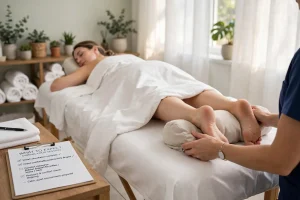
Older skin is thinner, bones can be more fragile, and tissue bruises more easily, so the pressure stays lighter and the pace stays slow. The therapist uses long, easy strokes and gentle kneading rather than digging in hard. The goal is to relax and mobilize, not to grind out knots with force. Many people find this style far more comfortable than they expected.
Focus on Mobility
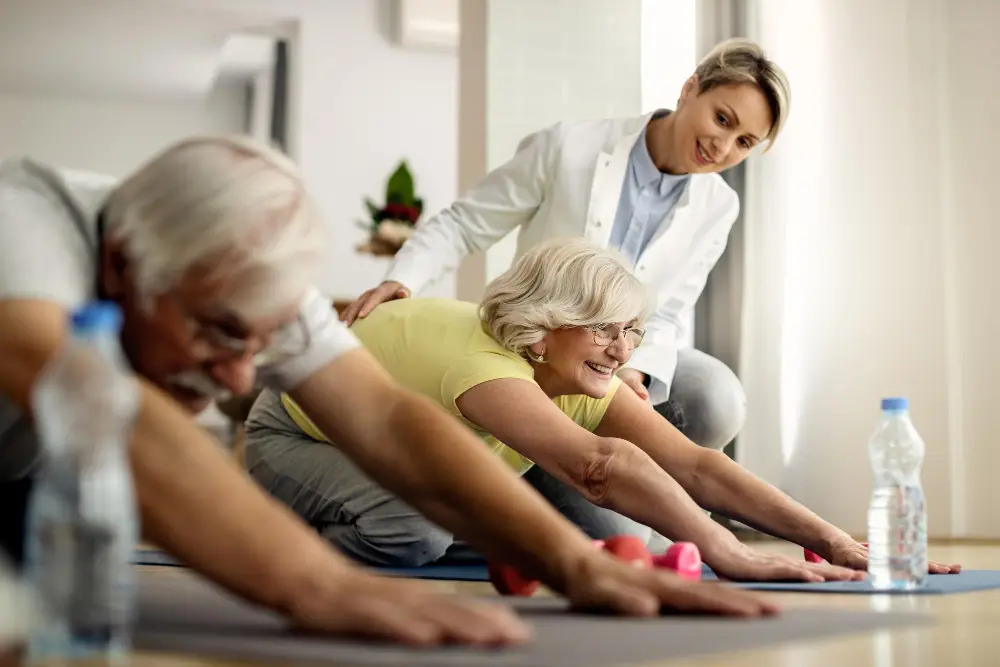
A lot of the work centers on keeping joints and muscles moving. The therapist may gently move an arm or leg through its range, work the muscles around stiff joints, and pay attention to the areas that give seniors the most trouble, like the hips, shoulders, knees, and lower back. Keeping those areas loose helps with walking, balance, and staying independent.
What Massage Helps With
Older adults come in for a range of reasons, and a few benefits come up again and again.
Stiff Joints & Range of Motion
Arthritis and general stiffness make joints ache and limit movement. Regular massage around those joints eases the surrounding muscle tension and helps maintain range of motion. People often report that reaching overhead or climbing stairs feels a little easier after consistent sessions.
Circulation & Swelling
For those with poor circulation or mild swelling in the legs and feet, gentle massage helps move fluid and blood along. This can ease that heavy, puffy feeling in the lower legs. Anyone with a diagnosed circulation condition should clear it with their doctor first, since some issues call for extra care.
Sleep, Mood, & Touch
The benefits are not only physical. Massage calms the nervous system, which helps with sleep and eases anxiety. For older adults who live alone, safe and caring touch also matters on its own. Many say the sessions lift their mood and leave them feeling more settled for days.
Staying Safe & Comfortable
A little communication keeps senior massage safe and pleasant.
Talking to Your Therapist
Speak up about how you feel during the session. If the pressure is too much, if a position hurts your hips or back, or if you get cold, say so. A good therapist adjusts on the spot. Bringing up your health history helps too, since things like osteoporosis, recent surgery, or blood thinners change how the work is done.
When to Check With a Doctor
Some conditions call for a doctor’s okay before booking. Blood clots, advanced osteoporosis, certain heart conditions, and recent surgeries are worth a quick conversation with your physician first. Once you have the green light, a therapist trained in working with older adults can adjust everything to keep you safe.
Massage is not just a treat for older adults. Done right, it keeps the body moving, supports circulation, eases the stiffness of arthritis, and helps with sleep and mood. The lighter, slower approach fits an aging body without straining it. For seniors in Lancaster who want to stay mobile and comfortable, regular sessions are a low-risk, feel-good way to hold on to independence. Start with a shorter session to see how your body responds, be honest about how it feels, and build from there.
Looking for relief in Lancaster? See how our medical massage in Lancaster, PA can help, then schedule your session online or call (717) 725-9670.