
Living with multiple sclerosis means dealing with a set of symptoms that shift from day to day and from person to person. Some days the muscles feel tight and heavy, other days fatigue takes over, and pain or stiffness can show up almost anywhere. Medical massage will not cure the condition, but it can help manage several of the symptoms that make daily life harder. If you have been looking into ms medical massage in Lancaster PA, this article explains how the work helps and what you can expect from it.
What Multiple Sclerosis Does to the Body
Before looking at how massage helps, it is worth knowing what MS is doing beneath the surface. Multiple sclerosis is a condition in which the immune system attacks the protective covering around nerve fibers. When that covering becomes damaged, the signals traveling between the brain and the body get disrupted. This disruption is what produces the wide range of symptoms that people with MS experience.
How MS Affects Muscles & Movement
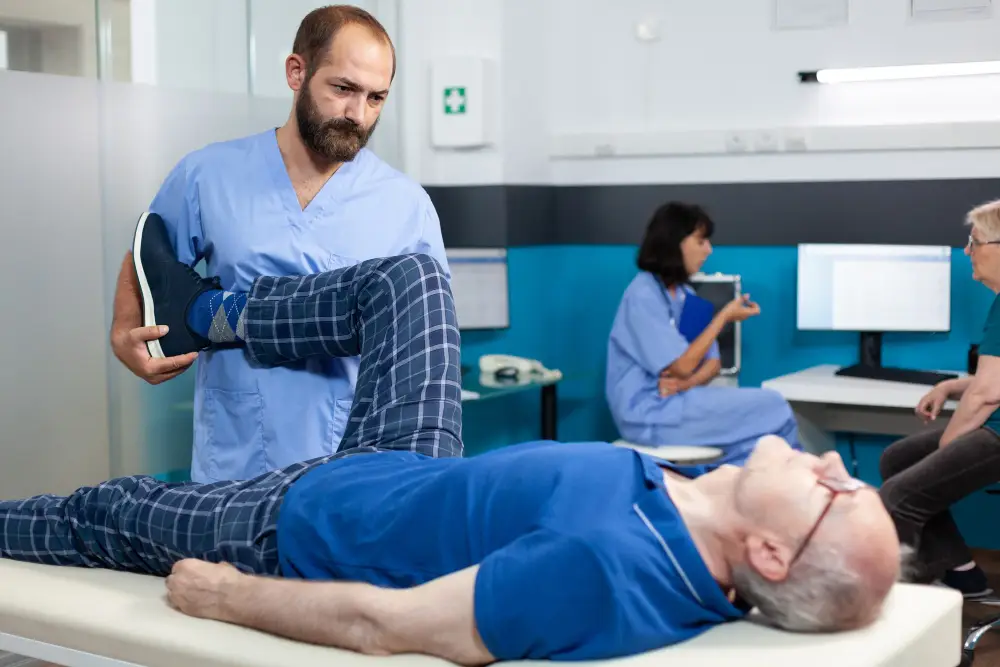
One of the most common effects of MS is spasticity, which is a state of tightness and stiffness in the muscles. When nerve signals do not travel properly, muscles can stay contracted when they should relax, which leaves them tight, sore, and hard to move. This tightness often shows up in the legs, and it can make walking and other movements more difficult. Alongside spasticity, many people deal with muscle weakness, balance problems, and pain that comes from the muscles working against themselves.
Why Symptom Management Matters
Because there is no cure for MS, much of the care focuses on managing symptoms and keeping the body functioning as well as possible. When spasticity and stiffness are left unaddressed, they can lead to reduced movement, which in turn leads to even more stiffness and discomfort. Managing these symptoms helps people stay active, hold on to their mobility, and feel more comfortable in their daily routines. Medical massage is one of the tools that supports this kind of ongoing symptom management.
How Medical Massage Fits Into MS Care
Medical massage differs from a standard relaxation massage because it targets specific problems with a clear goal in mind. For someone with MS, the goals usually center on reducing muscle tightness, supporting circulation, and easing the stress that comes with a chronic condition.
Easing Spasticity & Muscle Tightness
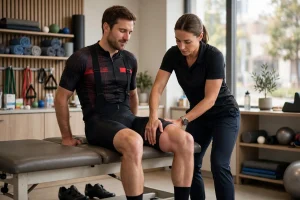
The muscle tightness that comes with spasticity is one of the areas where massage does its most useful work. Gentle, targeted techniques help the tight muscles release, which reduces the pulling and discomfort that spasticity creates. When the muscles loosen, movement often becomes easier and less painful. Regular sessions help keep the tightness from building up, which supports better mobility over time.
Supporting Circulation
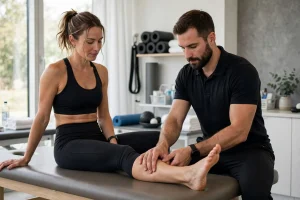
People with MS who have reduced mobility often experience poor circulation, especially in the legs. When a person moves less, blood and fluid do not circulate as well, which can lead to swelling and a heavy feeling in the limbs. Massage helps move blood and fluid through the body, which supports circulation and can reduce some of that swelling. Better circulation also helps deliver nutrients to the muscles and tissues that need them.
Reducing Stress & Fatigue
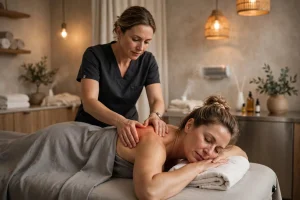
Fatigue is one of the most difficult symptoms of MS, and stress tends to make every other symptom feel worse. Massage calms the nervous system, which helps lower stress levels and can improve sleep. When a person sleeps better and feels less stressed, they often have an easier time coping with fatigue and the other demands of the condition. This mental and emotional benefit matters just as much as the physical work.
What a Session Looks Like for Someone With MS
A massage session for a person with MS is planned with care, because the body responds differently and certain approaches work better than others.
A Careful, Adjusted Approach
The therapist adjusts the pressure and pace to suit how the body is doing on a given day. Since MS symptoms change from day to day, a session that felt good last week might need adjusting this week. The therapist pays attention to heat sensitivity as well, because many people with MS find that heat worsens their symptoms, so the room and any warming tools are managed with care. The overall approach stays gentle and responsive rather than forceful.
Communication Throughout
Good communication makes these sessions safe and useful. The therapist checks in regularly to ask how the pressure feels and whether any area needs a lighter touch. The person receiving the massage is encouraged to speak up about tingling, numbness, pain, or anything that feels off. This back-and-forth allows the therapist to work within the body’s limits and avoid pushing into anything uncomfortable.
Working Alongside Your Medical Team
Medical massage works best as one part of a larger MS care plan rather than as a standalone treatment. It supports the work that neurologists, physical therapists, and other providers are doing, and it does not replace any of it. Before starting a massage, it helps to talk with your doctor, especially if your symptoms have changed recently or if you have concerns about how your body will respond. Once you have the go-ahead, a therapist experienced in working with neurological conditions can build a plan that fits your needs.
For people in Lancaster living with multiple sclerosis, regular medical massage offers a practical way to manage muscle tightness, support circulation, and ease the stress that comes with the condition. The work will not change the course of the disease, and any honest therapist will tell you that plainly. What it can do is help the body feel more comfortable and move more freely, which makes a meaningful difference in daily life. Paired with the guidance of your medical team, it becomes a steady source of support you can rely on over the long term.
Ready to feel better? Learn more about our medical massage in Lancaster, PA, or book your appointment online. You can also call or text (717) 725-9670.