


We offer quality massage services to fit the needs of all of our clients.
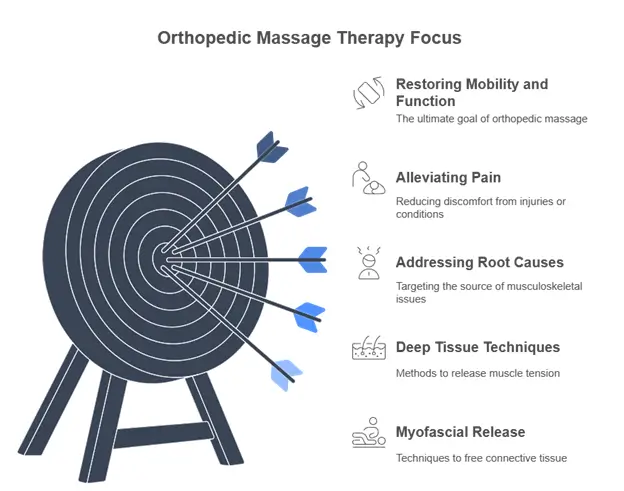
Orthopedic massage therapy is a specialized form of bodywork that focuses on treating musculoskeletal pain and dysfunction. Unlike traditional massages that target relaxation, orthopedic massage is designed to alleviate pain caused by injuries, chronic conditions, or post-surgery recovery. This type of therapy combines deep tissue techniques with muscle manipulation and myofascial release to restore mobility and function.
While most people are familiar with regular massage therapy, orthopedic massage offers a targeted approach to treating specific injuries, muscle imbalances, and pain points. The key difference is its therapeutic nature—designed to address physical conditions and promote healing rather than just relaxation.
Whether you’re dealing with chronic back pain, neck tension, or recovering from a sports injury, orthopedic massage therapy can offer lasting relief by focusing on the root cause of your discomfort. It’s more than just a luxury—it’s a necessary treatment for those looking to restore their well-being and improve their quality of life.
Orthopedic massage therapy is beneficial for a wide range of individuals, especially those suffering from musculoskeletal issues or pain that interferes with daily activities. Here’s who can particularly benefit:
If any of these conditions resonate with you, orthopedic massage therapy might be the solution you’ve been looking for to restore mobility and reduce pain naturally.
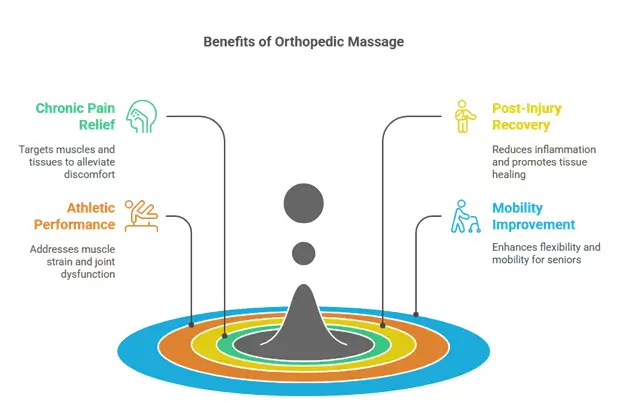
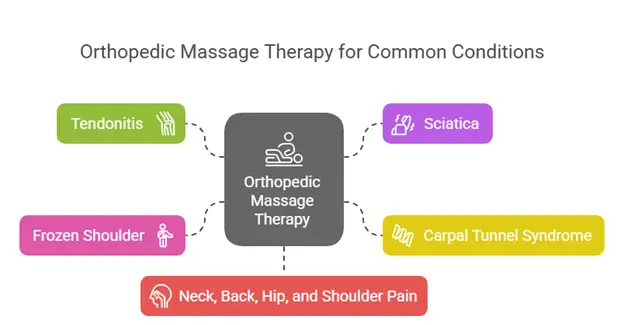
Orthopedic massage therapy can address a variety of conditions, making it a versatile treatment for many individuals. Some of the most common conditions treated include:
By addressing the root causes of pain, orthopedic massage can help improve quality of life and provide much-needed relief.
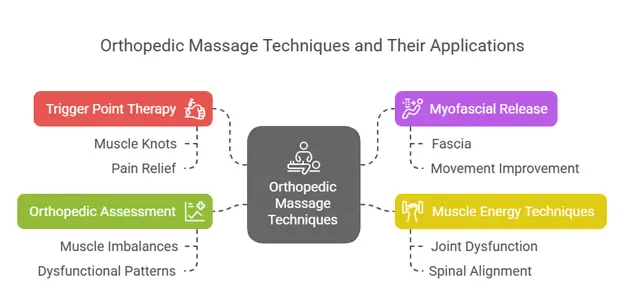
Orthopedic massage incorporates a variety of manual therapy techniques to address specific musculoskeletal issues. Here are some of the key techniques that are often used during sessions:
These techniques work together to provide a holistic treatment plan that addresses both the symptoms and underlying causes of musculoskeletal pain.
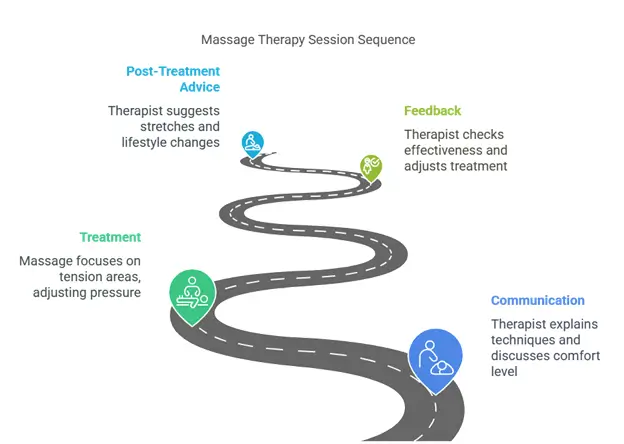
When you arrive for your orthopedic massage session, the first step will be a detailed intake and assessment process. Your therapist will ask about your medical history, any pain or discomfort you’ve been experiencing, and any recent injuries or surgeries. This helps them understand the areas that need focus during your treatment.
Once your therapist has gathered this information, the session will typically involve the following steps:
You’ll likely feel some immediate relief after your first session, but continued visits may be recommended to fully address chronic pain or injury.
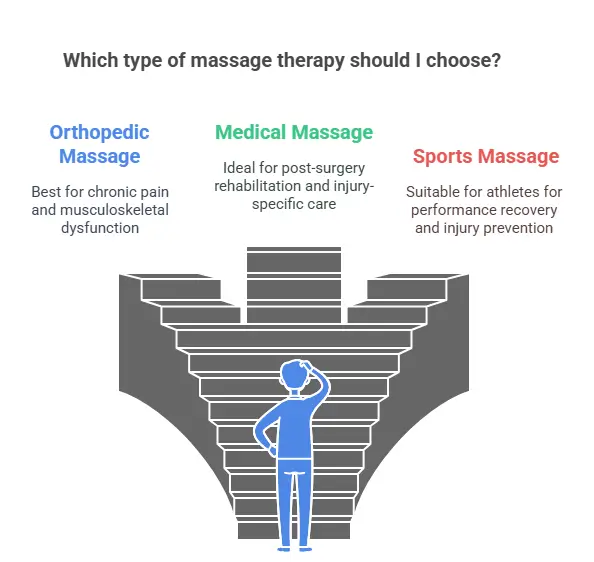
While all three types of massage therapy are effective, they serve different purposes and are applied based on individual needs. Here’s a breakdown:
Massage Type | Focus | Best For |
Orthopedic Massage | Focuses on musculoskeletal pain and dysfunction | Chronic pain, post-surgery, injury recovery |
Medical Massage | Tailored to medical diagnoses, often post-injury | Post-surgery rehabilitation, injury-specific care |
Sports Massage | Targeted for athletes or active individuals | Performance recovery, injury prevention |
Orthopedic massage is unique in that it combines elements of medical massage and therapeutic massage, with a focus on musculoskeletal dysfunction and functional recovery.
Orthopedic massage is generally safe for most people, but there are certain situations where it should be avoided or modified. If you have an active injury, infection, or other serious medical conditions, you should consult with your physician before undergoing orthopedic massage therapy.
Some contraindications for orthopedic massage include:
Your therapist will take special precautions to ensure your safety and comfort during the session. Always communicate openly about your medical history and concerns before starting treatment.
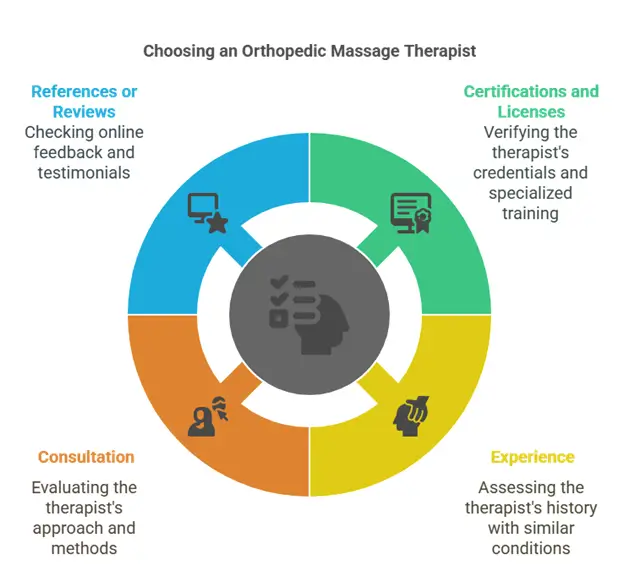
Choosing the right orthopedic massage therapist is crucial to ensuring you receive effective and safe treatment. Here’s what to look for:
A skilled therapist will work with you to develop a treatment plan that’s personalized to your needs and health goals.
Many clients who suffer from chronic pain, sports injuries, or post-surgery discomfort have experienced significant improvements after just a few sessions of orthopedic massage. For example, Mary came to us with debilitating lower back pain that had lasted for years. After several targeted treatments, she reported feeling more mobile and pain-free than she had in years.
These success stories showcase the restorative power of orthopedic massage and its ability to help people regain their health and mobility.
Some insurance plans may cover orthopedic massage, especially if it’s deemed medically necessary. Be sure to check with your provider.
You may experience some discomfort during deep tissue work, but it should never be unbearable. Always communicate with your therapist about your pain tolerance.
Results vary by individual, but many people notice improvement after just one or two sessions. Chronic conditions may require ongoing treatments.
If you’re struggling with chronic pain, recovering from surgery, or simply want to improve your mobility and quality of life, orthopedic massage therapy could be the solution you’ve been seeking. Contact us today to schedule your first appointment and start your journey toward pain relief and recovery.